
Ethiopia’s DNA Shock: The Ancient Genome That Rewrote Human History
2026
- Views
- 0
- Counntry
- Ethiopia
- Languages
- English
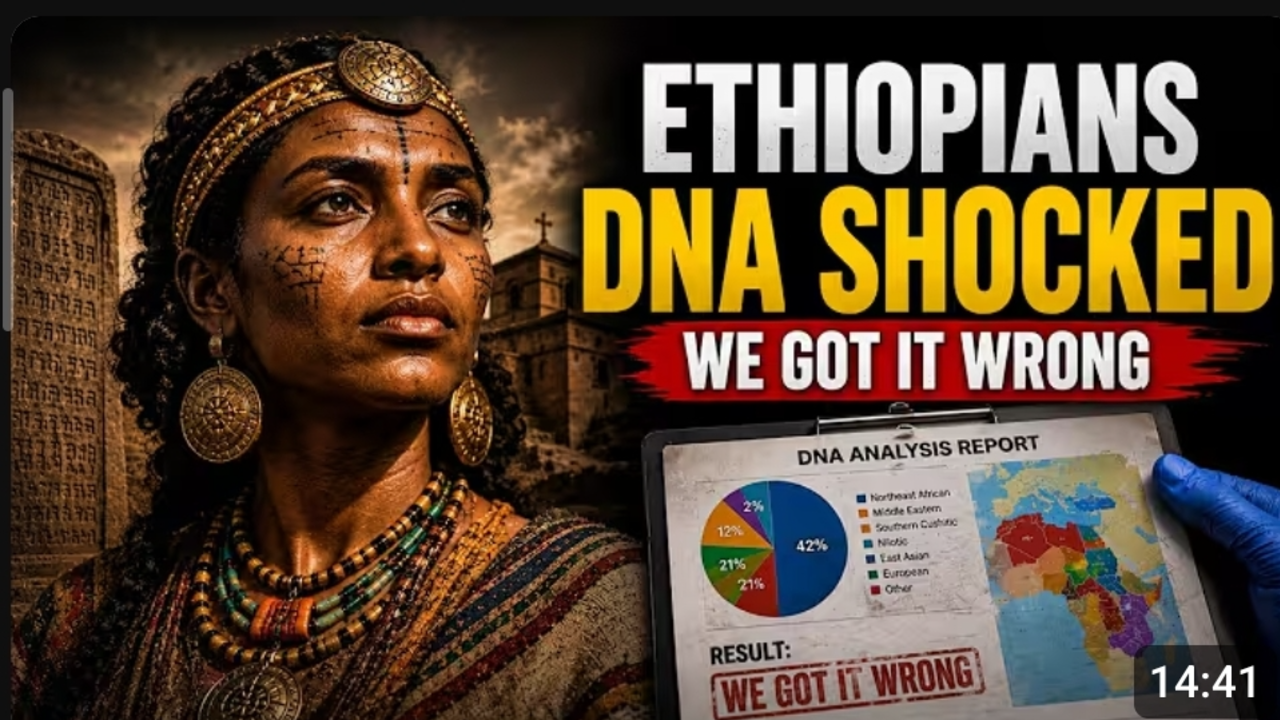
Ethiopia has long been seen as one of the deepest origins of humanity. The Omo I fossil, dated to around 233,000 years ago, is among the oldest known remains of *Homo sapiens*. For decades, the story seemed simple: Ethiopia preserved one of the most ancient lines of modern human ancestry. But the DNA tells a far more dramatic story. Modern genetic research has revealed that Ethiopian ancestry is not a single straight line from the earliest humans. It is a layered record of ancient survival, migration, mixing, adaptation, and mystery. The 2015 Mota Cave genome — the first ancient African nuclear genome ever sequenced — gave scientists a rare look at an Ethiopian individual who lived before later Eurasian ancestry entered the region. That single genome became a key reference point, helping researchers understand how later migrations reshaped not only Ethiopia, but genetic patterns across parts of Africa. Then came the bigger surprise: several Ethiopian populations carry a major Eurasian ancestry component, linked to a back-migration from the Levant thousands of years ago. In some groups, that ancestry may reach 40 to 50 percent. This was not a small genetic trace. It was a major event in African population history. But the story does not stop there. Researchers have also found evidence of deeper and more mysterious ancestry layers: a possible ghost population with no clear living representative, unusual gene variants connected to high-altitude adaptation, metabolism, immunity, and brain development, and even Denisovan-like DNA signals in African genomes — signals that challenge older assumptions about where archaic human ancestry should appear. Ethiopia was never genetically simple. It was a crossroads. A refuge. A meeting point. A living archive of humanity’s oldest and most complex migrations. In this video, we break down the six major findings behind this story: the Mota Cave genome, the Levantine back-migration, the ghost ancestry, the unusual functional genes, the Denisovan signal, and what all of this reveals about Ethiopia’s place in human history. What you will discover: Why the Mota Cave genome changed the way scientists study African genetic history. How a migration from the Levant thousands of years ago reshaped Ethiopian ancestry. Why some Ethiopian populations carry one of the most complex ancestry profiles in the world. What the mysterious ghost population could reveal about lost human groups. How Ethiopian genomes preserve rare genetic adaptations linked to altitude, immunity, metabolism, and development. Why Denisovan-like DNA signals in Africa force scientists to rethink older models of human migration. What all of this means for Ethiopia, Africa, and the wider story of modern humans. Ethiopia is not just where some of the oldest human fossils were found. It is one of the greatest genetic archives on Earth. Six studies. Six discoveries. One powerful conclusion: the human story was far more complex than we were ever told. Subscribe for the next video, where we go deeper into the Mota Cave genome and the Out of Africa questions it reopened. #EthiopianDNA #EthiopianHistory #Ethiopia #AncientDNA #MotaCave #HumanOrigins #OutOfAfrica #AfricanHistory #AfricanDNA #GeneticHistory #AncientHumans #HomoSapiens #OmoKibish #OmoI #EthiopianGenome #EthiopianAncestry #AfricanGenetics #DNAHistory #HumanEvolution #AncientEthiopia #EthiopianOrigins #Genetics #Archaeology #Anthropology #DenisovanDNA #GhostPopulation #LevantMigration #BackMigration #AfricanCivilization #HistoryDocumentary